
A First for Dharamshala: State of Statelessness Screens at Gold Cinema
Drung Tibetan Filmmakers Collective, 2025
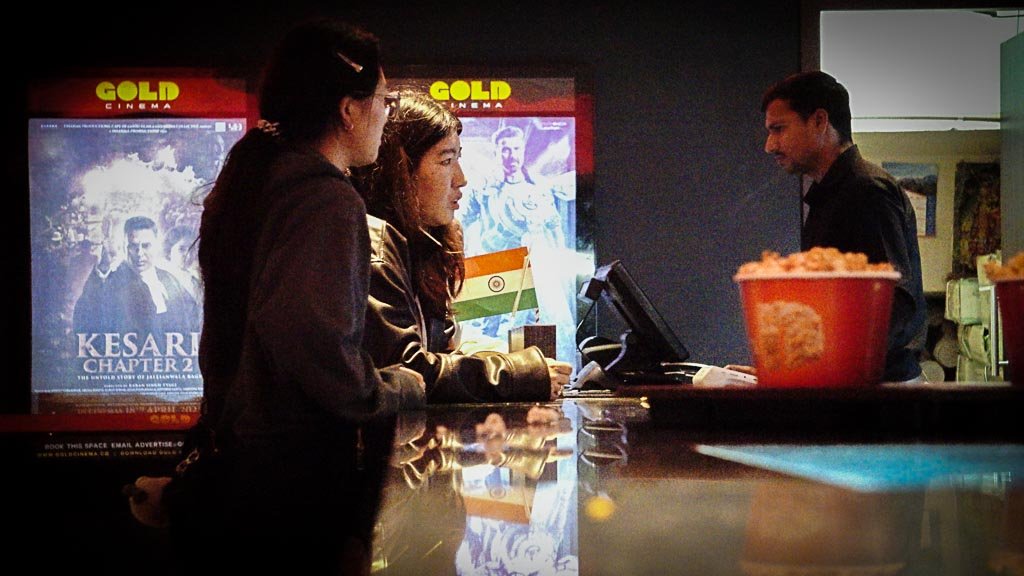
In May 2025, a small but important milestone took place in Dharamshala. For the first time since Tibetans settled in exile in 1959, a Tibetan-language feature film was released theatrically in the town that has been home to the community for decades. State of Statelessness, produced by Drung Tibetan Filmmakers Collective, screened at Gold Cinema to a fully sold-out audience. All the limited screenings were packed. Tibetans from different walks of life came to watch a film in their own language on a big screen, many for the first time. The atmosphere was simple and joyful. People queued for tickets, bought popcorn, and sat together in a cinema hall seeing Tibetan stories presented as part of a regular theatrical program.
Dharamshala has long been a cultural and political center for Tibetans in exile, yet Tibetan films have rarely been shown in commercial cinemas. Screenings usually took place in community halls, schools, or during special events. A mainstream cinema release had never happened before. The screening of State of Statelessness changed that. It showed that Tibetan-language films can find an audience in a commercial cinema setting, right at home. The sold-out shows reflected a clear interest and a strong sense of ownership from the community.
Watching a Film in One’s Own Language
State of Statelessness brings together several Tibetan voices to reflect on statelessness, displacement, and identity. While the film has traveled internationally, its Dharamshala release carried a different meaning. The stories returned to the community they speak about. For many audience members, hearing Tibetan spoken throughout the film, surrounded by fellow Tibetans, was deeply personal. It was not about prestige or festivals. It was simply about access and recognition.
This theatrical release marked an important moment for Drung Tibetan Filmmakers Collective and for Tibetan cinema more broadly. It demonstrated that Tibetan films belong in public cinemas and that there is an audience ready to support them. More importantly, it set a precedent. It opened the possibility for future Tibetan films to be screened in similar spaces, not as special cases, but as part of everyday cultural life in Dharamshala.
