
Tibet Film Festival Set to Make WASHINGTON DC Debut, Celebrating Its Origins and a New Wave of Tibetan Cinema
Opening November 6 with Dhondup Wangchen's fearless documentary Leaving Fear Behind, the festival will showcase a rare lineup of three Tibetan narrative features made in exile, alongside a feature documentary chronicling the pioneering work of a Tibetan-Canadian couple during the early years of Tibetan exile.

Tibet Film Festival, Washington DC, 2026
The Tibet Film Festival (TFF) is set to make its Washington, DC debut from November 6–8, 2026, bringing together an exciting lineup of Tibetan films and filmmakers for three days of screenings, discussions, and cultural events. Now in its 17th year, the festival's first edition in the American capital comes at an encouraging moment for Tibetan cinema, with three narrative features made in exile sharing the program alongside documentaries and short films.
The festival will open with Leaving Fear Behind (2008), the courageous documentary by Tibetan filmmaker Dhondup Wangchen that inspired the founding of the Tibet Film Festival. Filmed clandestinely inside Tibet in the months leading up to the 2008 Beijing Olympics, the documentary captured the voices of ordinary Tibetans speaking openly about their lives, their aspirations, and the political realities they faced. Wangchen was arrested following the filming and subsequently spent six years in prison.
Now living in the United States, Wangchen will attend the opening screening and participate in a discussion with the audience. The occasion carries particular significance, bringing the festival back to the film that inspired its creation.
What began as an initiative inspired by one filmmaker's determination to document the voices of his people has since grown into an international platform for Tibetan cinema, connecting filmmakers and audiences across continents.
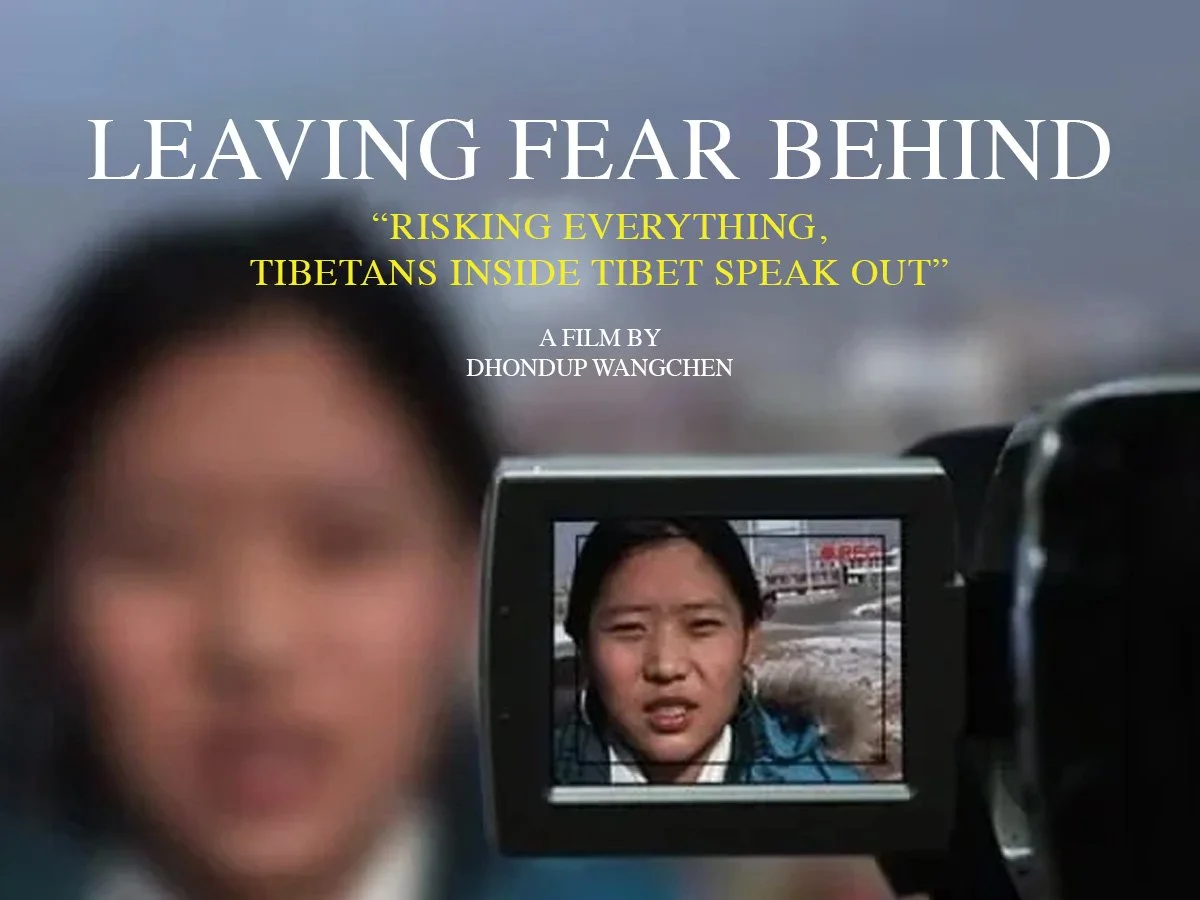
Leaving Fear Behind (2008)
Dir: Dhondup Wangchen
A Rare Gathering of Tibetan Narrative Features
Perhaps the most remarkable aspect of this year's program is the presentation of three Tibetan narrative features made in exile: Dharamsala, 100 Sunset, and State of Statelessness. Given the relatively small number of feature films produced by Tibetan filmmakers in exile, it is rare to see three such works presented together at a single festival.
The films represent distinct creative voices and cinematic approaches, reflecting the growing diversity of Tibetan storytelling. While questions of identity, displacement, and belonging remain important, these filmmakers are also exploring intimate relationships, personal struggles, and the complexities of contemporary Tibetan life through fiction.
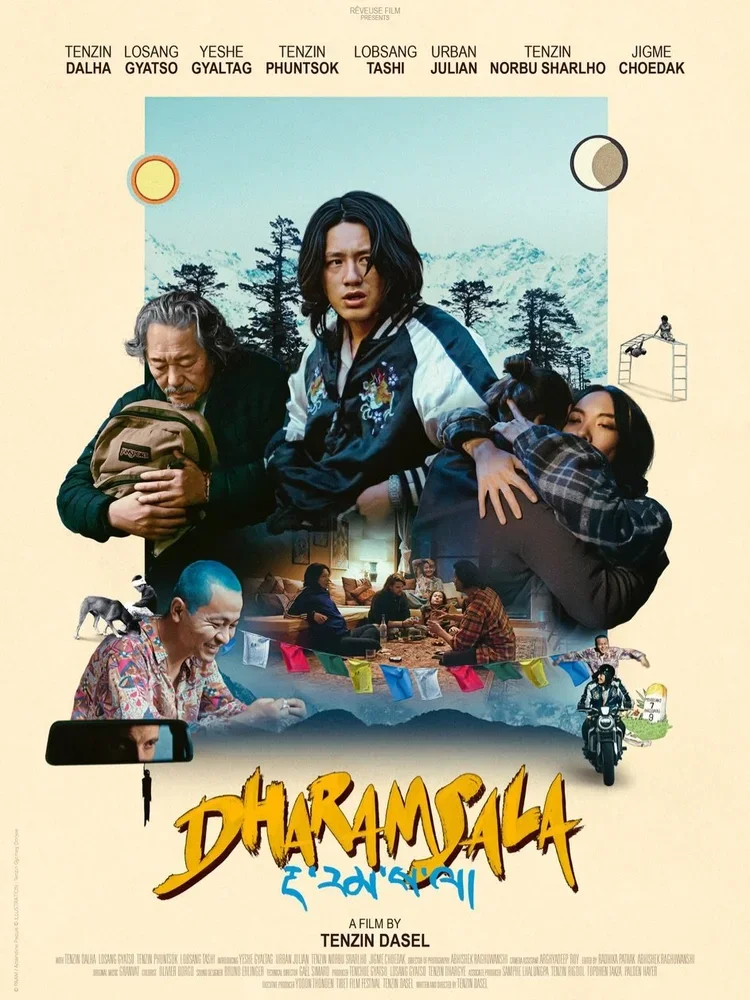
Among the highlights is the long-awaited world premiere of Dharamsala, the debut feature by Tibetan woman filmmaker Tenzin Dasel. Shot in Dharamsala several years ago, the film has had a long and remarkable journey to the screen.
What makes the film's journey particularly noteworthy is the extraordinary support it received from the Tibetan community. Its production was supported in part through an Indiegogo crowdfunding campaign that brought together an impressive cross-section of Tibetan artists and creative professionals from around the world. Musicians, painters, photographers, filmmakers, writers, and other creatives contributed their work, time, and resources to help raise funds for the production.
Among those who supported the campaign were Tibetan artists, musicians, writers and other creatives from around the world, reflecting the breadth of creative solidarity behind the project. The crowdfunding effort was not simply about raising money for a film but also about demonstrating what a community of artists could achieve by coming together to support independent Tibetan cinema.
At a time when Tibetan filmmakers continue to face considerable challenges in securing production funding and institutional support, Dharamsala stands as a testament to the possibilities of collective creative effort. Its world premiere is therefore not only a milestone for Dasel but also a meaningful occasion for the many artists, supporters, and members of the Tibetan community who helped bring the film to life.
Set in the town that has served as the heart of the Tibetan exile community for more than six decades, the film follows a young man whose encounter with a teacher from his past reopens old wounds. Through their troubled relationship, Dasel explores questions of memory, displacement, and belonging within a community shaped by exile.
Dasel, whose earlier works include the short films Seeds (2009) and Royal Café (2016), is among the early generation of Tibetan women filmmakers. working in independent cinema. Her first feature will have its world premiere on November 8, followed by a conversation with the director and actor Lobsang Gyatso.
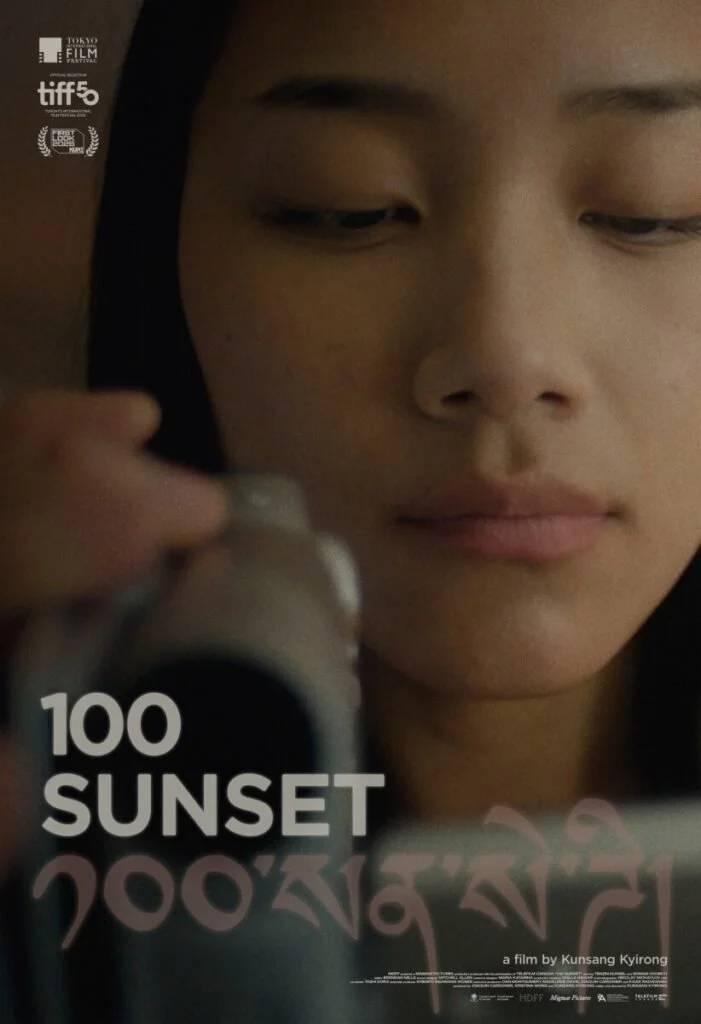
Also featured is 100 Sunset, the groundbreaking debut feature by Tibetan-Canadian filmmaker Kunsang Kyirong. Set within Toronto's Tibetan community, the film follows two young women whose unlikely friendship draws them into a complicated world of secrecy, desire, and survival. With its unconventional storytelling, distinctive visual language, and bold exploration of contemporary Tibetan diaspora life, 100 Sunset stands out as a unique and refreshing work in world cinema.
Shot with nonprofessional actors in Toronto's Tibetan neighborhood of Parkdale, the film premiered at the 2025 Toronto International Film Festival, where it received an Honorable Mention for the Best Canadian Discovery Award, and has since traveled to international festivals. Kyirong currently serves as a mentor for Drung Tibetan Filmmakers' Collective's filmmaking mentorship program, supporting and guiding emerging Tibetan filmmakers in developing their own cinematic voices.
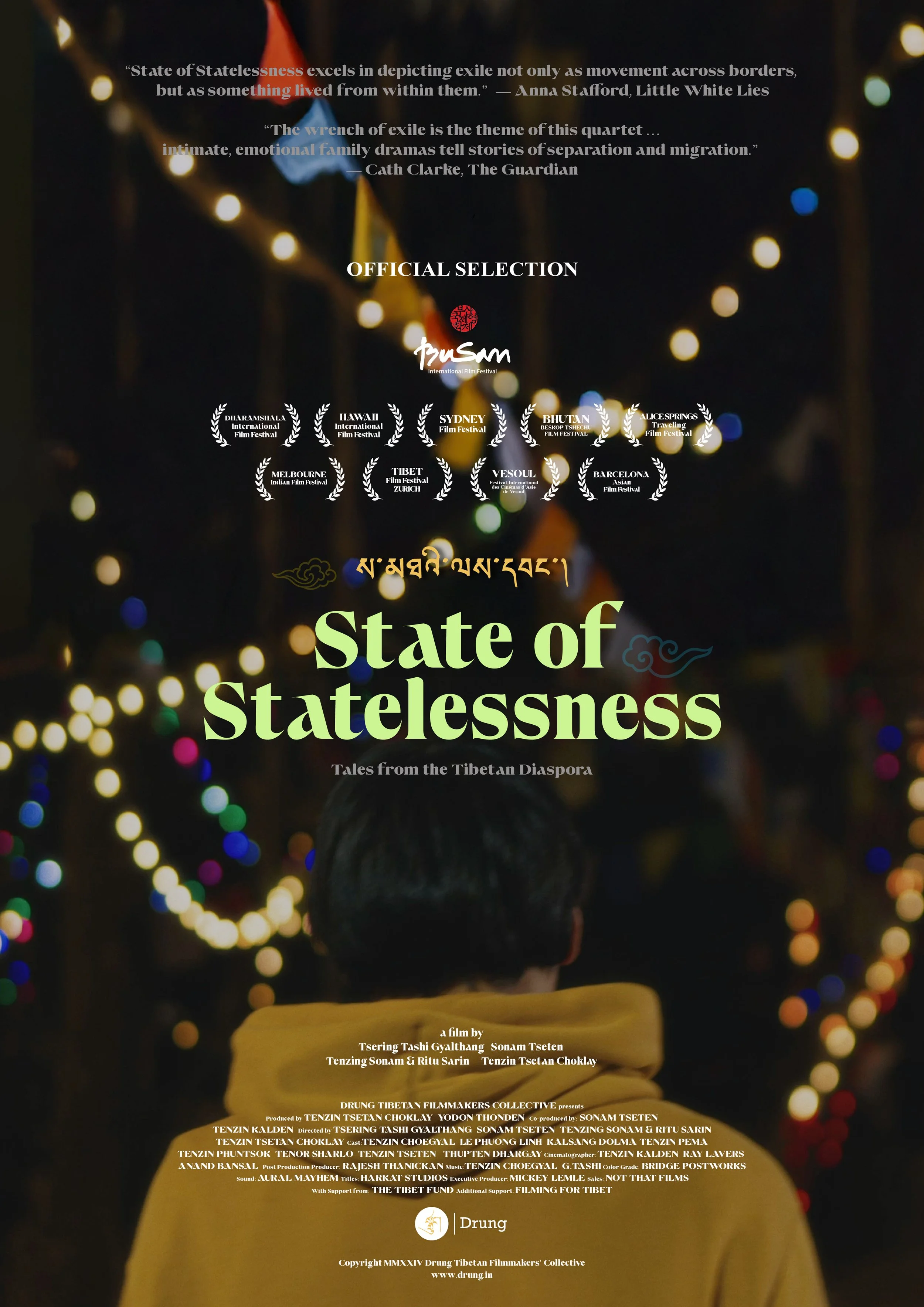
Drung Tibetan Filmmakers' Collective will also be represented through State of Statelessness (2024), a Tibetan-language anthology feature comprising four stories by Tibetan filmmakers living in different parts of the world. Produced by Drung, the film explores the complexities of memory, family, identity, and belonging through fictional narratives rooted in the experiences of Tibetans in exile.
Directed by Sonam Tseten, Tsering Tashi Gyalthang, Tenzing Sonam and Ritu Sarin, and Tenzin Tsetan Choklay, the film premiered at the Busan International Film Festival in 2024 and has since traveled to international film festivals and had a limited theatrical release. Its Washington presentation on November 8 will be followed by a discussion with filmmaker Tenzin Tsetan Choklay, founder of Drung Films and Australia based award winning musician Tenzin Choegyal who plays the role of Tenzin in the film.
Remembering the Early Years of Exile
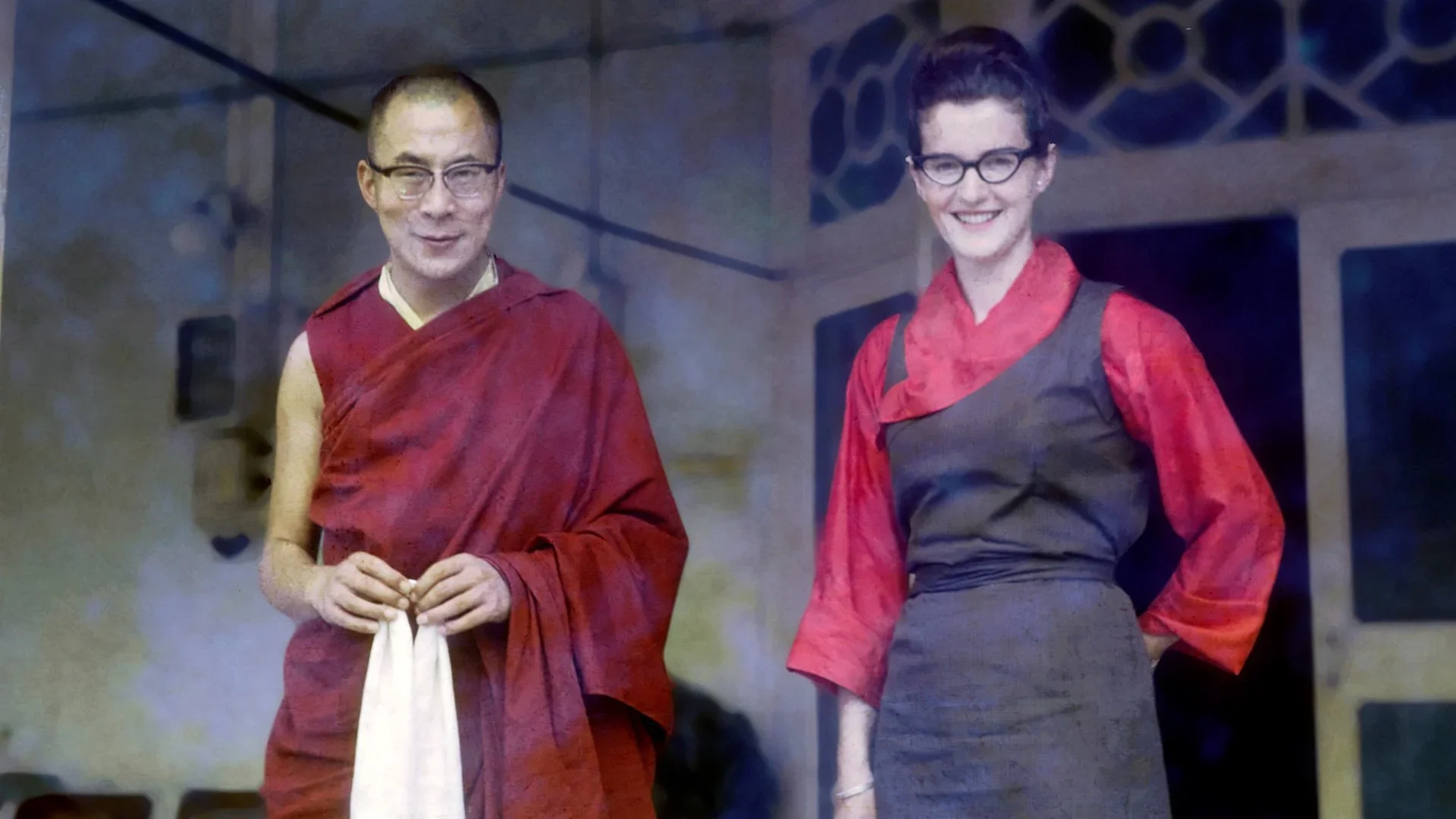
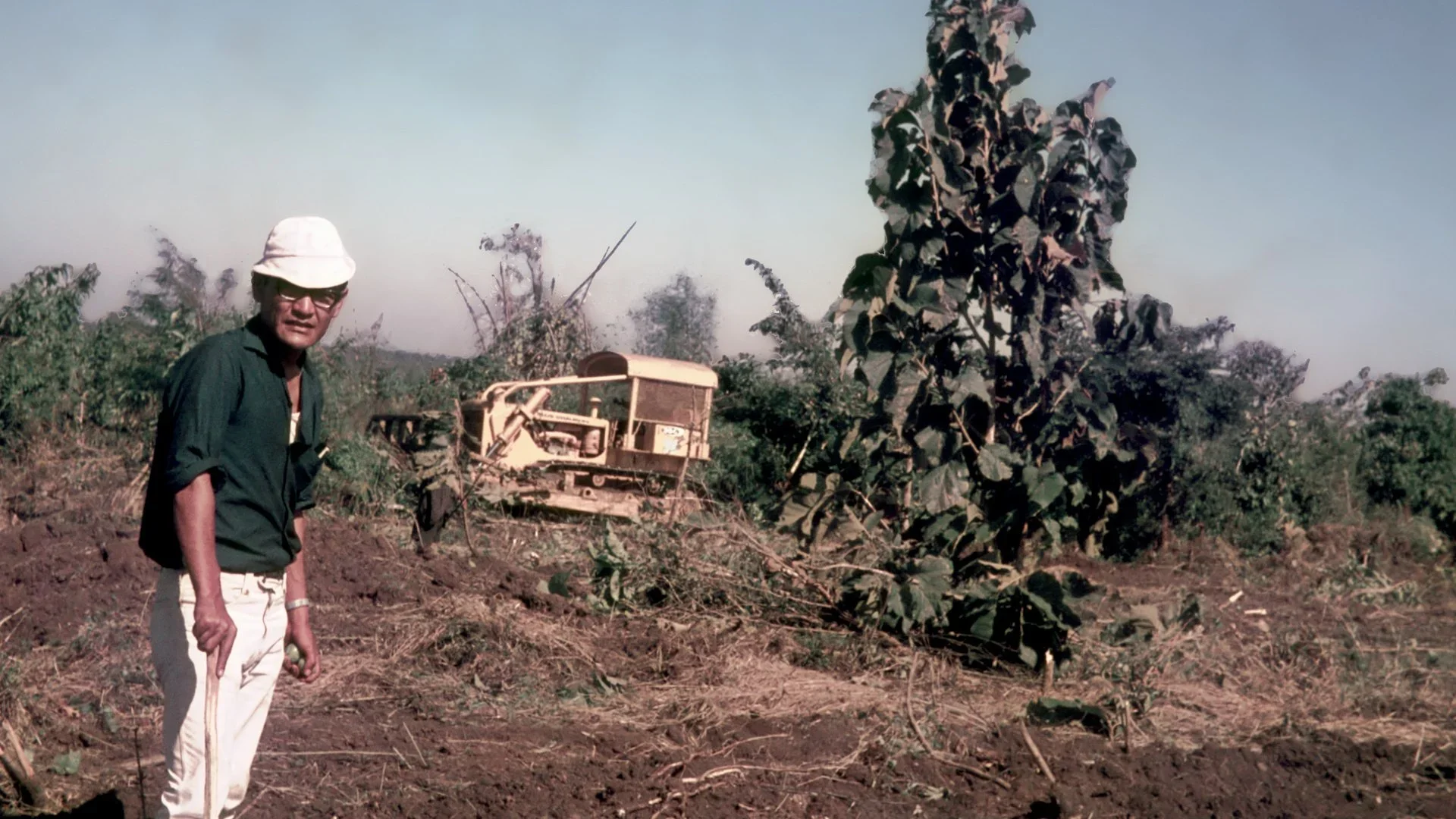

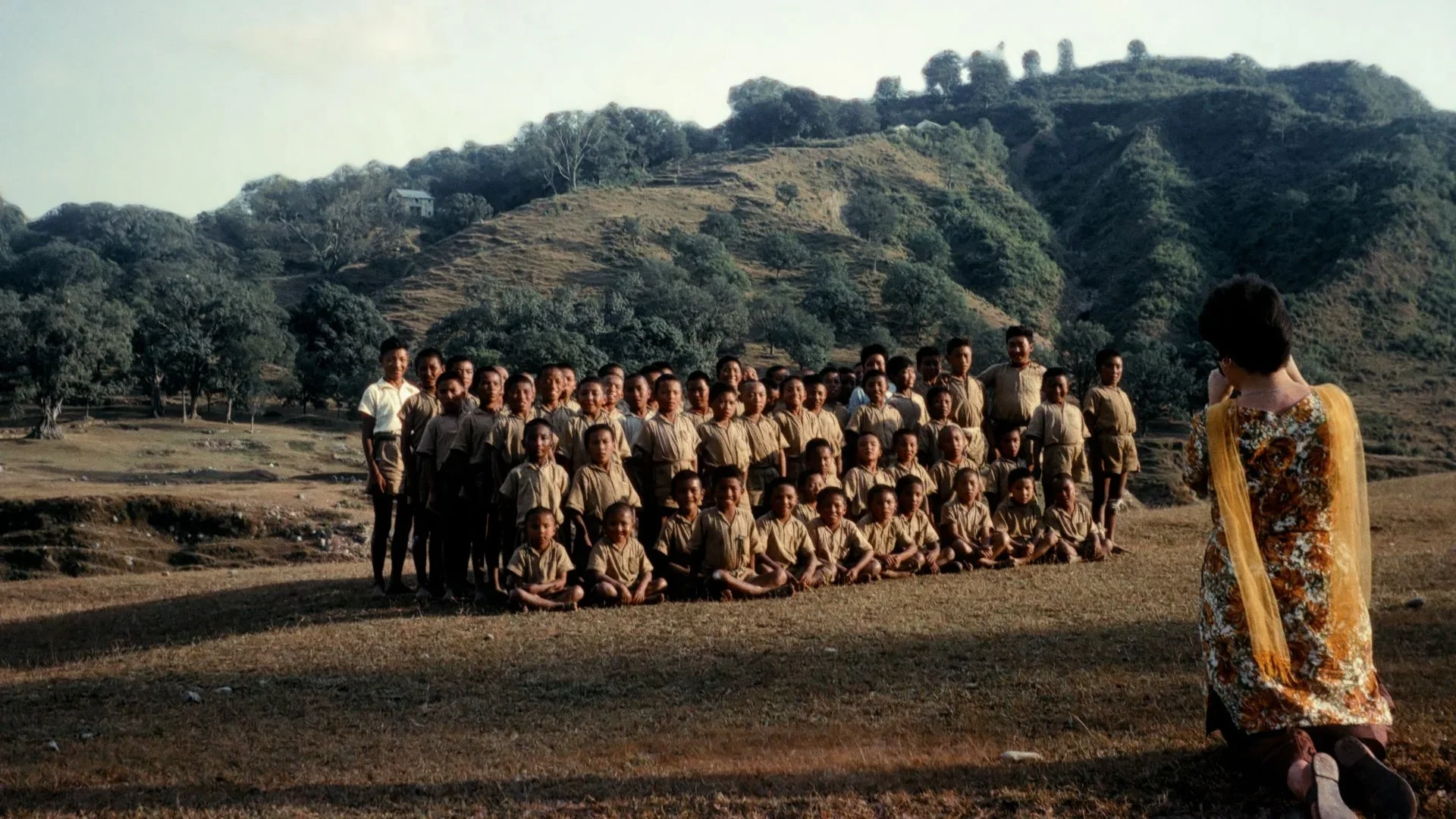
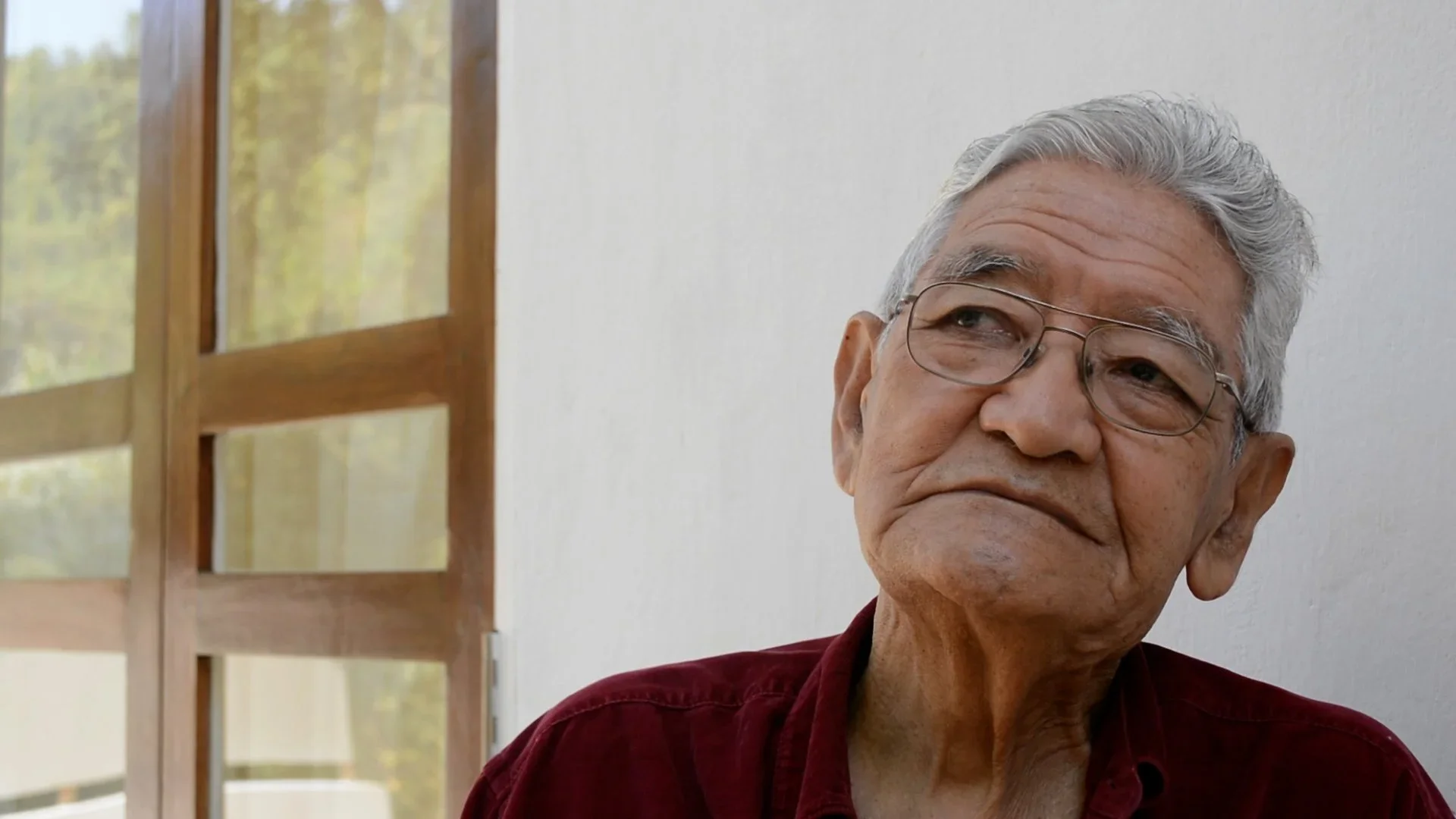
Another significant film in the program is Far From Home, a feature documentary directed by Kristi Tethong that chronicles the lives of T.C. Tethong and his Canadian wife, Judy, whose personal story is intertwined with the early history of the Tibetan community in exile.
Drawing on family archives, photographs, letters, and rare footage, the documentary revisits the formative years of Tibetan exile and the couple's involvement in humanitarian efforts, community building, and the preservation of Tibetan identity. As T.C. Tethong begins to lose his memory, the film becomes an intimate reflection on love, history, and the fragility of personal and collective remembrance.
The November 7 screening will be followed by a discussion with director Kristi Tethong, co-producer Losel Tethong, and Lhadon Tethong.
Short Films and Emerging Voices
The festival will also screen My Sweet Pala (2025), a short film about the relationship between a Tibetan immigrant father and his American-born daughter, directed by Japanese actress and filmmaker Tao Okamoto. Earlier this year, Okamoto received the Best Actress award at the Cannes Film Festival, which she shared with Virginie Efira for their performances in All of a Sudden, directed by Ryusuke Hamaguchi.
The festival's annual Short Film Competition, now in its 17th year, will take place on November 7. The competition continues to provide a platform for emerging Tibetan filmmakers from Tibet and across the diaspora, showcasing short films spanning fiction, documentary, animation, and experimental forms.
The competition includes the Yak Prize, a $3,000 jury award, alongside a $500 Washington, DC Audience Award selected by festivalgoers. Over the years, it has provided an important opportunity for new filmmakers to experiment, develop their voices, and introduce their work to international audiences.
In addition to the screenings and filmmaker discussions, the three-day festival will feature musical performances and other cultural events.
A Growing Cinema Across Borders
The Washington edition of the Tibet Film Festival offers an encouraging glimpse into the continuing evolution of Tibetan cinema. From the urgency and courage of Leaving Fear Behind to the intimate fictional worlds of Dharamsala, 100 Sunset, and State of Statelessness, the program brings together different generations of filmmakers whose work reflects an expanding range of Tibetan experiences and artistic expression.
For Drung Tibetan Filmmakers' Collective, whose mission is to support and nurture Tibetan storytelling through filmmaking, the presence of these films together is particularly meaningful. It speaks to the growing community of Tibetan filmmakers working independently across the diaspora, often with limited resources but with a shared commitment to telling stories in their own voices.
Seventeen years after its founding, the Tibet Film Festival continues to demonstrate why dedicated spaces for Tibetan cinema matter—not only to preserve stories and histories, but also to encourage new possibilities for what Tibetan cinema can become.
The 17th Tibet Film Festival takes place November 6–8, 2026, at the Edlavitch Jewish Community Center in Washington, DC.
For the full program, screening times, and tickets, visit www.tibetfilmfestival.org.
BEYOND TFF
Beyond the Tibet Film Festival, several recent productions point to a growing momentum in Tibetan cinema. Midnight Momo, written and directed by Tibetan-American filmmaker Tenzin Yeshi, with cinematography by Tenzin Gurmey, premiered at the Vancouver International Film Festival and is now set for its Indian premiere at the Dharamshala International Film Festival (DIFF). Set in a Tibetan restaurant in Queens, New York, the film blends comedy, science fiction, and the immigrant experience, marking another exciting collaboration between Tibetan filmmakers working in the diaspora.
Meanwhile, Four Rivers, Six Ranges, an English-language Tibetan historical drama directed by Shenpenn Khymsar, recently drew considerable attention when its Hindi-dubbed version was self-distributed in theaters across India.
Another notable production is Apple TV release, Tenzing, directed by Jennifer Peedom, featuring Tibetan actors Tenzin Dalha, Thinley Lhamo, Lhakpa Tsamchoe, and Jampa Kalsang, alongside an international cast. Dalha also appears in Tenzin Dasel's Dharamsala, while Jampa Kalsang recently completed filming on Sonam Tseten's upcoming feature Floating Clouds.
Together, these productions reflect not only the growing range of Tibetan stories reaching audiences but also the increasing participation of Tibetan actors and creative professionals in productions across the world.
