
Drung in World News
Recent Reviews and Articles on State of Statelessness
Over the past few months, State of Statelessness, the Tibetan-language anthology feature produced by Drung Tibetan Filmmakers’ Collective, has been receiving meaningful attention from international critics and film publications. In fact, it has become one of the most widely reviewed Tibetan exile films in recent years, with coverage spanning major UK outlets, film magazines, and international cultural platforms. It has been deeply moving to see reviewers engage with the film not only as a political story, but also as something intimate and human. Many of these pieces reflect on exile, belonging, identity, and the everyday realities of Tibetan communities spread across continents, showing how statelessness is lived not only through documents and borders, but through family, memory, and loss.
Below is a roundup of recent coverage.
The Observer (UK)
“An anthology of short films created by members of the Drung Tibetan film-makers collective, State of Statelessness offers perspectives of lives lived life in exile.”
— The Observer
The Observer’s review positions State of Statelessness within a wider landscape of contemporary cinema, while still taking time to highlight what makes the film distinct. The piece notes the film’s focus on rootlessness, grief, and emotional inheritance, and pays special attention to the final story set in Dharamshala.
The Guardian
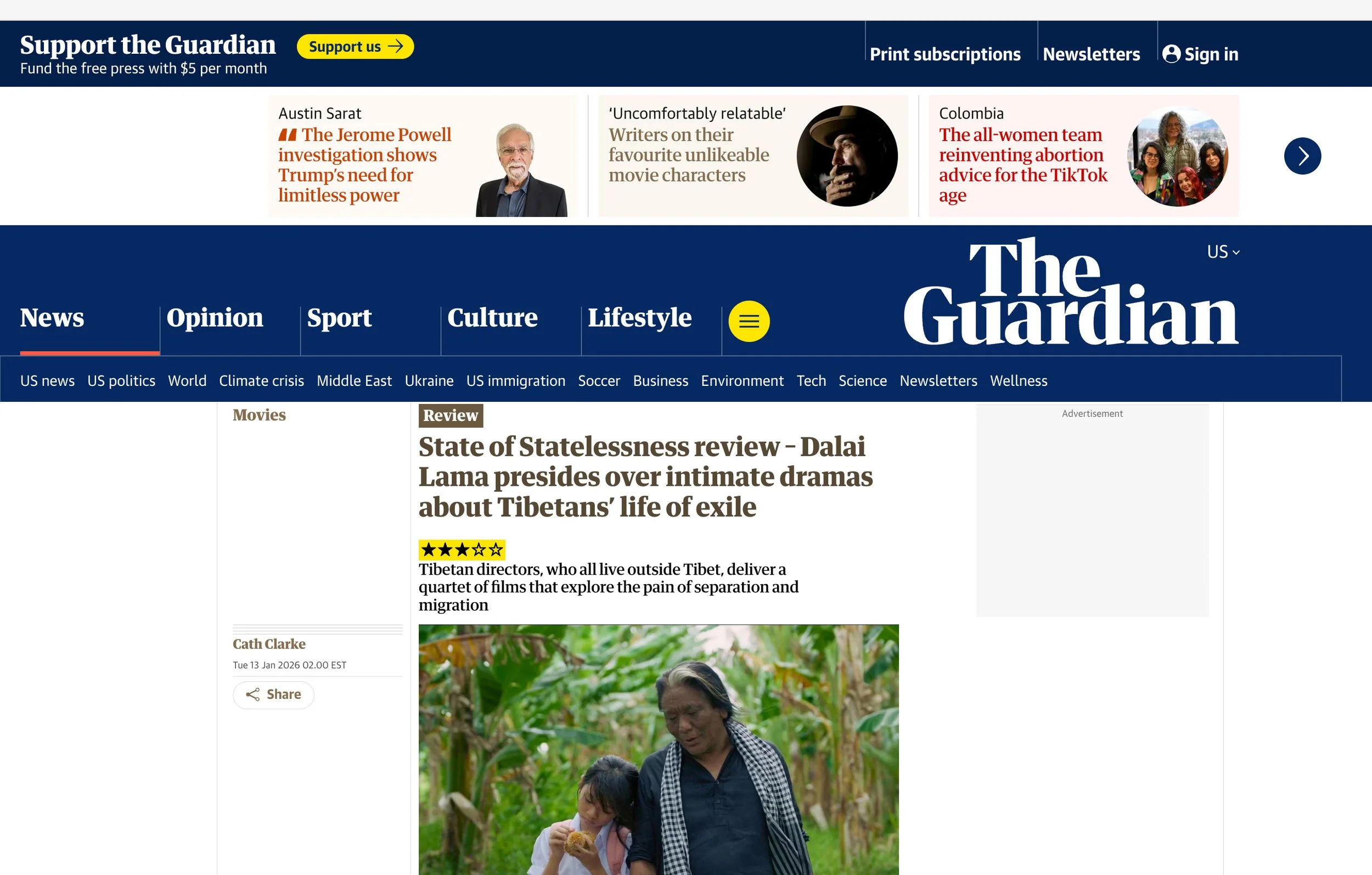
“Intimate dramas that make the reality of Tibetan exile feel immediate, personal, and deeply human.”
— The Guardian
The Guardian’s review describes the anthology as a series of intimate dramas shaped by exile and separation. It reflects on the way Tibetan identity appears through ordinary details, family tensions, and quiet personal moments, and notes how the presence of the Dalai Lama, even indirectly, becomes a reminder of Tibet’s unresolved political reality.
https://www.theguardian.com/film/2026/jan/13/state-of-statelessness-review-tibetan-exile-dalai-lama
BFI Sight and Sound
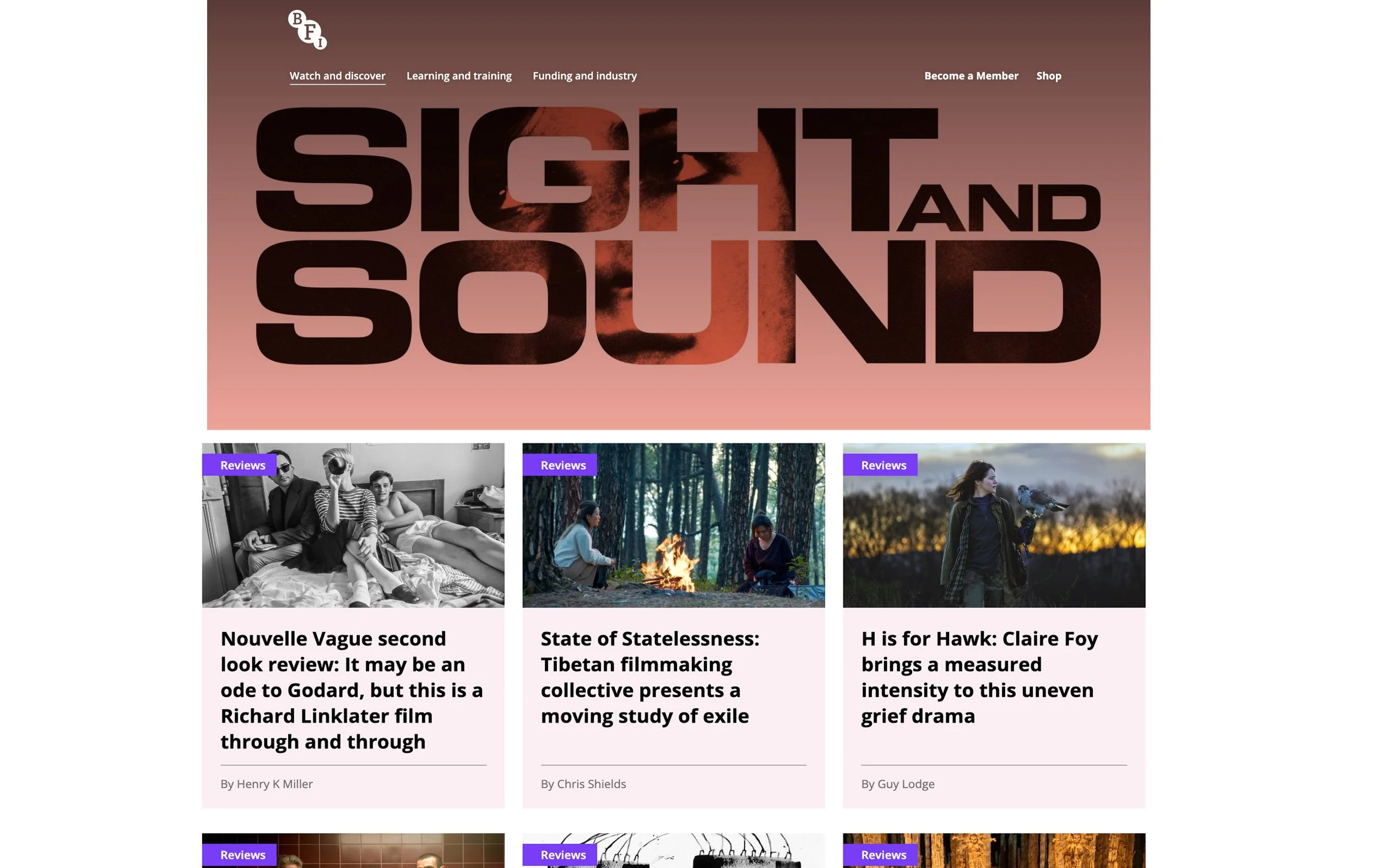
“A moving study of exile, told with restraint, clarity, and emotional intelligence.”
— BFI Sight & Sound
BFI Sight and Sound offers one of the most thoughtful critical responses to the film so far. The review highlights the anthology format as a strength, showing how each story stands on its own while also contributing to a shared emotional landscape. It pays close attention to tone and pacing, and reflects on the film as a moving portrait of exile told through personal lives rather than grand statements.
Little White Lies
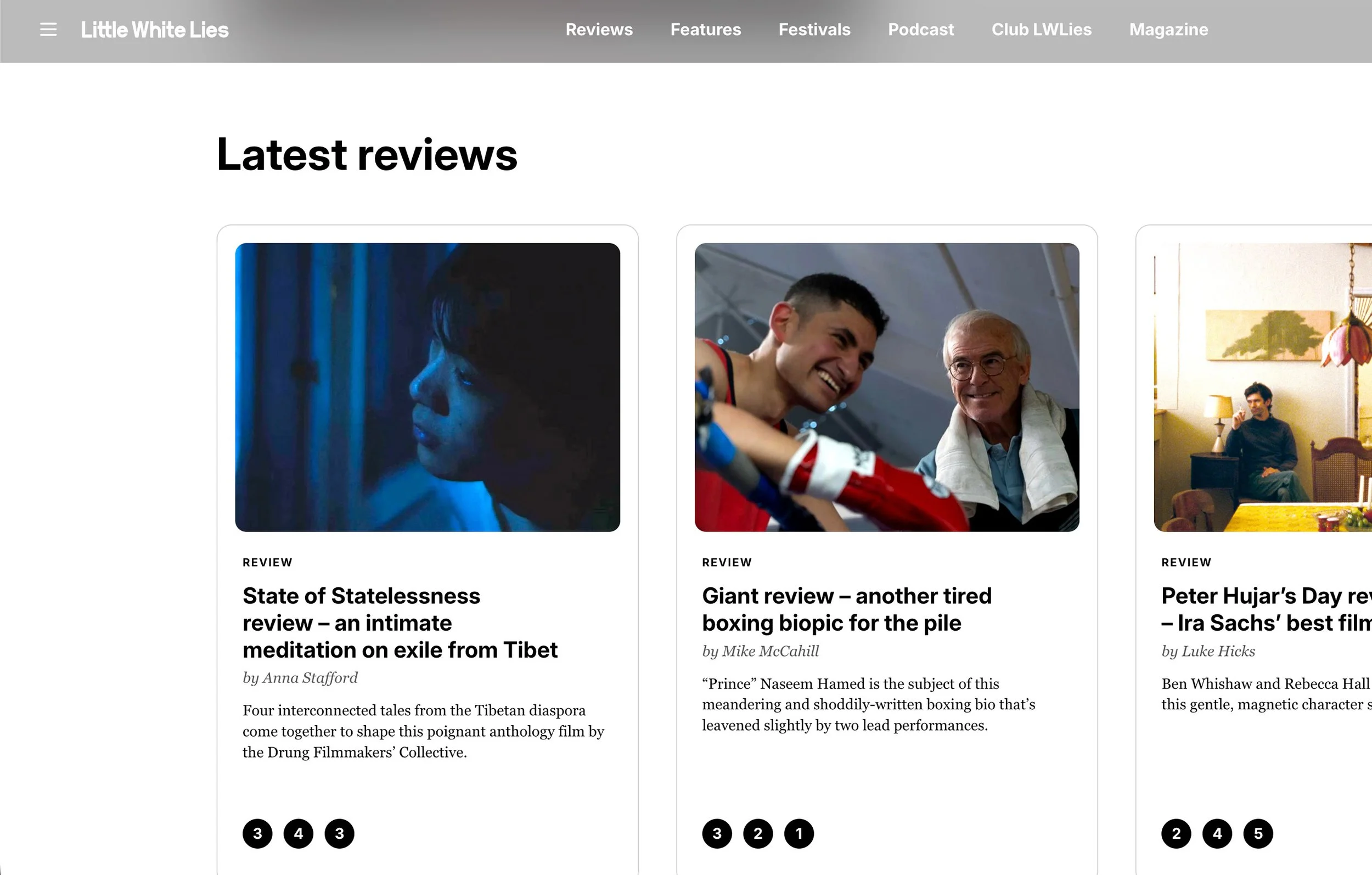
“An intimate meditation on displacement, where everyday moments carry the film’s deepest emotional force.”
— The Little White Lies
Little White Lies frames State of Statelessness as an intimate meditation on displacement and belonging. The review notes how the film’s emotional power comes from small gestures, quiet rituals, and what is left unsaid, and it recognizes the film’s ability to show exile as something lived day-to-day rather than only as an abstract political condition.
https://lwlies.com/reviews/state-of-statelessness/
The Arts Desk
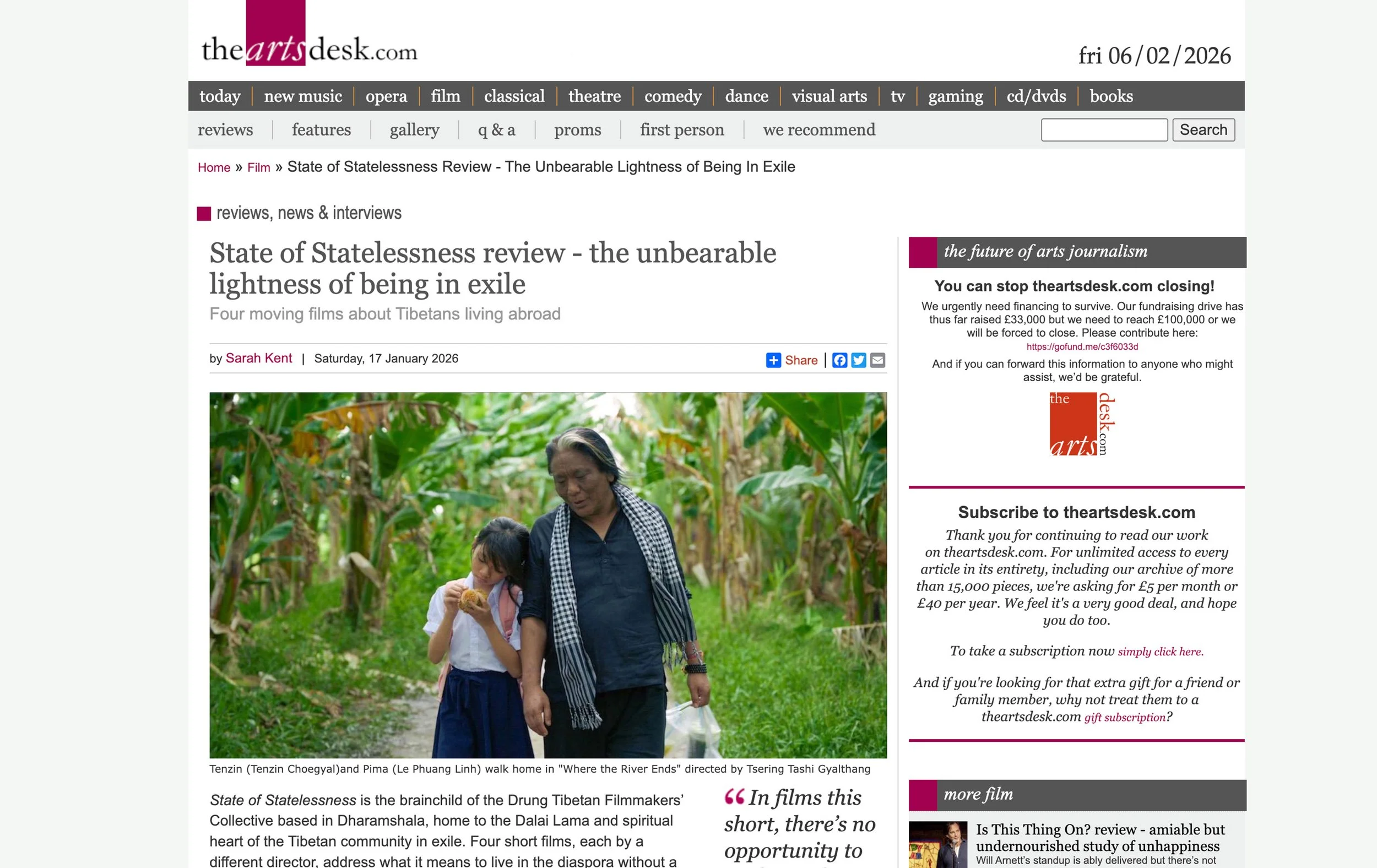
“A striking portrait of life in between, shaped by migration, uncertainty, and quiet resilience.”
— The Arts Desk
The Arts Desk review praises the film’s atmosphere and the emotional weight carried across all four stories. It highlights the film’s sense of fragility and uncertainty, and how the anthology captures the “in-between” experience of exile, where even home can feel temporary. The piece also reflects on how the film’s emotional tone stays consistent across different filmmakers and locations.
https://www.theartsdesk.com/film/state-of-statelessness-review-unbearable-lightness-being-exile
Morning Star

“A rare and important Tibetan-language feature that explores identity, loss, and belonging with compassion.”
— The Morning Star
Morning Star included State of Statelessness in its film coverage, recognizing the anthology as an important and rare Tibetan-language feature. The review notes how the film explores identity, loss, and belonging through different generations, and how it balances political context with human intimacy.
https://morningstaronline.co.uk/article/film-round-january-15-2026
Outlook India
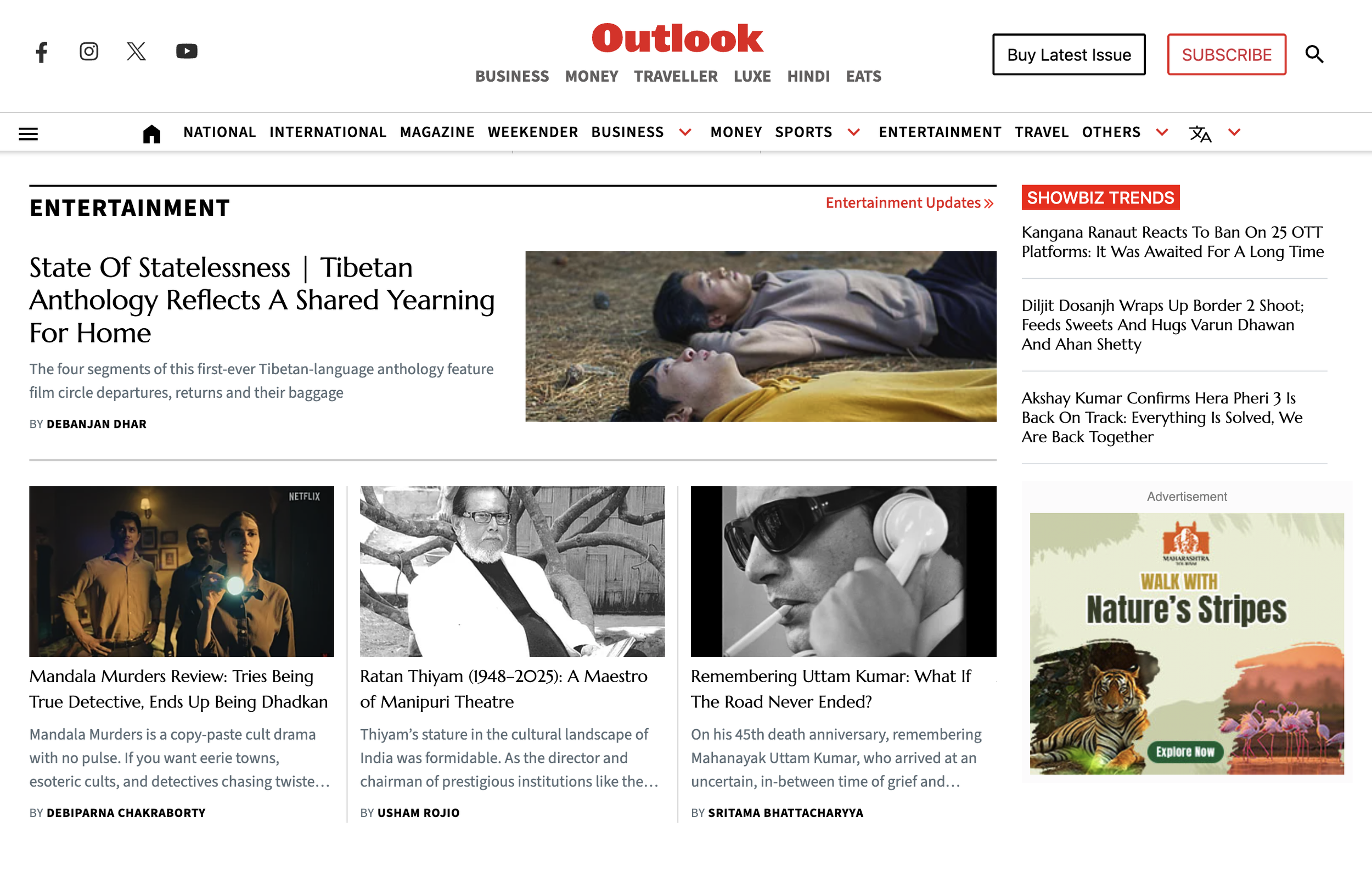
“A shared yearning for home runs through every story, turning statelessness into something felt, not just understood.”
— Outlook India
Outlook India published a longer essay-style article that explores the film as a collective emotional experience. The piece emphasizes the shared longing for home that runs through all four stories, and reflects on how the film portrays statelessness not only as a legal condition but as something that shapes relationships, memory, and identity.
Gazettely
“An emotionally grounded anthology that brings multiple Tibetan voices into a single, resonant cinematic experience.”
— Gazettely
Gazettely’s review engages with the film’s structure and cinematic approach, reflecting on how the anthology format allows multiple Tibetan voices and experiences to sit together in one feature. It notes how the film moves between continents while staying grounded in emotional realism, and how the stories collectively build a larger portrait of exile and migration.
https://gazettely.com/2026/02/entertainment/state-of-statelessness-review/
Another Mag
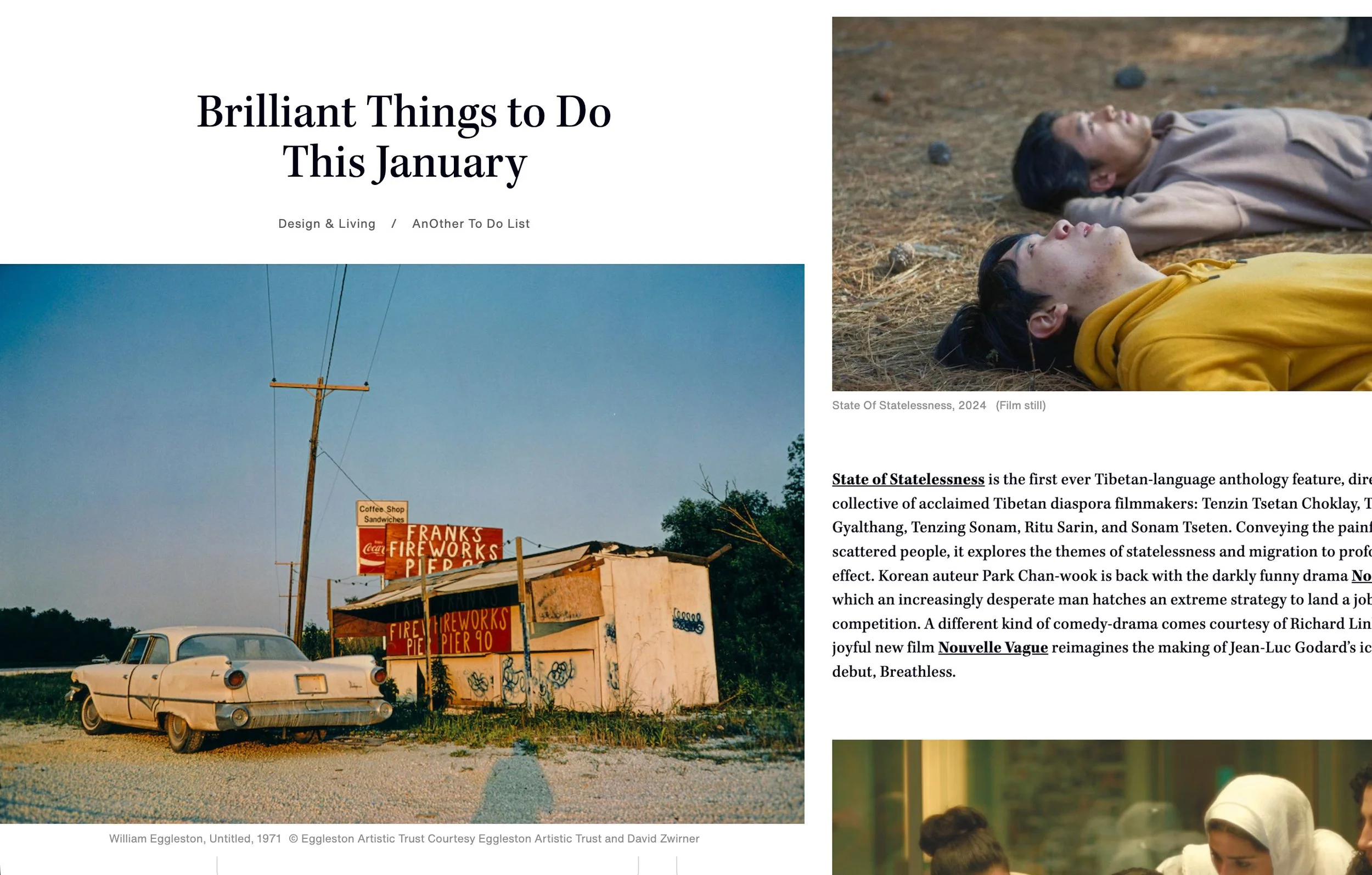
Conveying the painful realities of a scattered people, it explores the themes of statelessness and migration to profound effect.
— Another Mag
Another Mag included State of Statelessness in its January cultural roundup, highlighting the film as the first-ever Tibetan-language anthology feature and noting its impact in portraying the painful realities of a scattered people through stories of statelessness and migration.
Thank You
We are grateful to every writer and editor who has taken the time to watch the film and engage with it seriously. For a Tibetan film made in exile, visibility matters. Reviews like these help our stories travel, and help audiences find Tibetan voices in world cinema.
We will continue updating this list as new articles and reviews come in.
